 UniWest
 A foundry is where metal becomes parts. You start with solid material, melt it into a controlled liquid, pour it into a mold that forms the shape, and then remove and clean up the casting once it cools. The right foundry supplies make that process more consistent and easier to repeat, especially when you’re balancing temperature, sand behavior, and day-to-day maintenance. UniWest’s foundry categories are a helpful reference point for the core materials most shops keep on hand—such as sands, crucibles, and refractory and insulating products—because they map closely to what the process actually demands.
What a Foundry Actually Does
Even though casting can look simple from the outside, this work is really a series of controlled variables. Heat must be stable, the mold media must behave predictably, and the tools that touch molten metal need to hold up under thermal shock. When any one of those elements drifts, you usually feel it immediately: more scrap, more rework, slower cycles, and a messier floor.
That’s why people who run foundries tend to think in systems, not one-off purchases. Foundry supplies are the materials and consumables that keep the system steady—molding media, melting hardware, and the high-heat linings and insulation that protect equipment and keep energy going where it’s needed.
The Supplies That Influence Quality and Uptime
You don’t need to be an engineer to make smart decisions here. A few categories do most of the heavy lifting:
- Foundry sands (molding media): UniWest lists sands such as Foundry – Green Diamond, Foundry – INCAST, and Foundry – Resin Coated.
- Green Diamond is described as a synthetic olivine sand produced in the USA with no free silica, plus benefits like low thermal expansion and low thermal conductivity.
- Foundry – Resin Coated features Wedron Silica, described as high-purity, round grain silica sand, with multiple packaging options listed (including 50 lb bags and bulk/pneumatic options).
- Crucibles (for melting, holding, and transferring metal): UniWest notes that crucibles can be used to melt, hold, and transfer metal in a single vessel, and swapping vessels can help when changing alloys.
- Refractory and insulation materials (to protect and stabilize heat): Our refractory materials include refractory cement, refractory mortar, and firebricks, which support linings, patching, and general high-heat applications.
The best foundry supplies are the ones that reduce variability—because variability is what makes a foundry feel unpredictable.
UniWest Supplies You Can Source In One Place
Our foundry category is organized around the materials most foundries routinely need, which makes it easier to quote and restock without piecing everything together from multiple vendors.
Here are the key foundry supplies we highlight:
- Sands for molding media needs, including Green Diamond and Resin Coated options.
- Crucibles to support melting/holding/transfer workflows.
- Refractory materials like cement, mortar, and firebricks for linings and repairs.
- Insulating and Melt Furnaces / Accessories as part of the broader foundry category mix.
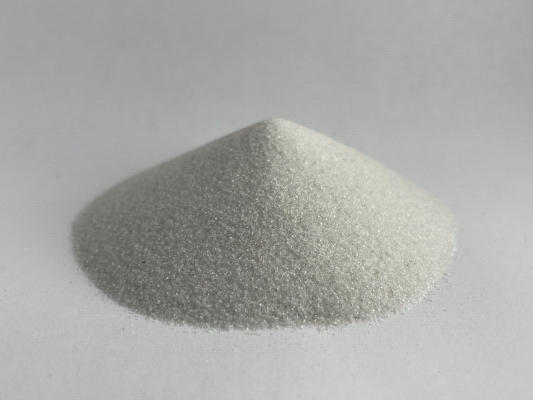
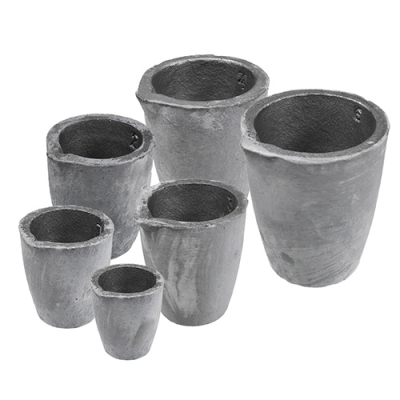
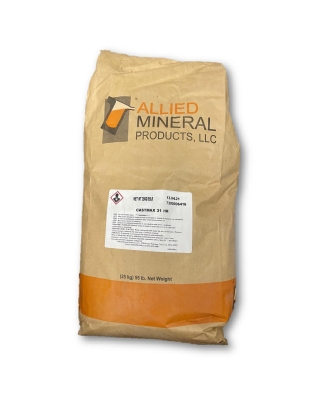
This mix matters because it mirrors real shop priorities: keep the melt controlled, keep the mold media consistent, and keep the furnace protected so your schedule doesn’t get derailed.
Where Consistent Results Come From
A quick way to think about foundry supplies is to ask: “What helps us repeat good outcomes?” Consistent sand, the right crucible approach for your alloys, and the ability to patch or rebuild refractory before a small issue becomes downtime all point in the same direction—more predictable cycles and fewer surprises.
If you’re building a restock plan, consider tracking what you replace most often (sand, wear items, patch materials) and setting simple reorder points. That small bit of structure is often what turns foundry supplies from “things we buy” into “things that keep production stable.”