 UniWest
 Moisture is one of the most common yet overlooked issues affecting abrasive blast systems. Whether you are removing rust, preparing metal for coatings, or cleaning industrial components, excess moisture in the compressed air supply can quickly reduce efficiency and compromise results. Even a small amount of water can cause abrasive media to clump, restrict material flow, damage equipment, and increase maintenance costs.
At Uniwest, we understand that dependable systems rely on consistent media delivery and clean, dry compressed air. Identifying and controlling moisture helps operators improve productivity while extending the life of their blasting equipment.
Where Does Moisture Come From?
Compressed air naturally contains water vapor. As that air cools after leaving the compressor, condensation forms inside tanks, hoses, and air lines. High humidity, changing temperatures, and insufficient air treatment can all increase the amount of moisture entering abrasive blast systems.
Without proper moisture control, water eventually mixes with abrasive media, creating problems throughout the blasting process.
Clumping Causes Inconsistent Media Flow
One of the first signs of moisture is abrasive media that begins sticking together instead of flowing freely. Dry media is designed to move consistently through the blast pot, metering valve, hose, and nozzle. When moisture enters the system, the media can form clumps that interrupt this steady flow.
As a result, operators may notice:
- Uneven blasting patterns
- Inconsistent surface profiles
- Reduced cleaning efficiency
- Frequent interruptions during operation
Reliable abrasive blast systems depend on a smooth, continuous supply of media to produce consistent results.
Moisture Can Clog Valves and Hoses
Wet abrasive media often settles inside metering valves, fittings, and blast hoses. Over time, these deposits can partially or completely block material flow.
Clogged components force operators to stop work while troubleshooting equipment, clearing obstructions, or replacing worn parts. These unexpected interruptions increase labor costs and reduce productivity, especially during large industrial projects where continuous operation is important.
Corrosion Can Damage Equipment
Moisture does not only affect the abrasive media. Water trapped inside blast pots, piping, valves, and other steel components can contribute to corrosion over time.
Rust buildup may weaken equipment, interfere with moving parts, and shorten the service life of valuable blasting components. Internal corrosion can also create rough surfaces where media becomes trapped, leading to additional flow problems.
Routine inspections and moisture management help protect the long-term performance while reducing repair expenses.
Reduced Efficiency Means Higher Operating Costs
Moisture-related issues often appear gradually, making them easy to overlook until production begins slowing down. Operators may compensate by increasing pressure, using more abrasive media, or spending additional time on each project.
These small inefficiencies can quickly add up through:
- Increased abrasive consumption
- Longer blasting times
- Higher equipment maintenance costs
- More frequent production delays
Well-maintained abrasive blast systems operate more efficiently, helping businesses maximize equipment performance and control operating expenses.
The Importance of Moisture Separators and Air Dryers
The most effective way to prevent moisture problems is to treat compressed air before it reaches the blasting equipment. Moisture separators remove condensed water from the air stream, while air dryers reduce humidity and help deliver consistently dry air.
Routine maintenance also plays an important role in moisture control. Regularly draining compressor tanks, inspecting hoses for trapped water, replacing worn filters, and storing abrasive media in a dry location can all help prevent performance issues. Combining quality air treatment with preventive maintenance helps keep abrasive blast systems operating consistently throughout the year.
When Wet Blasting Is the Right Choice
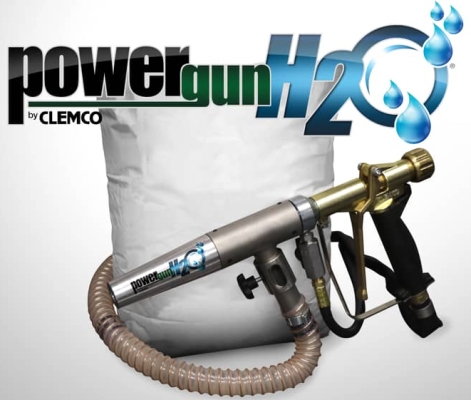
While unwanted moisture can disrupt dry abrasive blast systems, water can be beneficial when it is introduced intentionally through equipment designed for wet blasting. Wet blasting helps reduce airborne dust while still supporting effective surface cleaning and preparation.
Uniwest offers the Clemco Power Gun H2O, a portable suction wet blaster that can be used for wet or dry blasting. It is well suited for smaller jobs, touch-up work, masonry cleaning, glass etching, and metal surface preparation where dust control is important. For larger dry blasting operations that need improved dust suppression, the Clemco WetBlast Water Ring easily mounts to a conventional blast nozzle, introducing water at the nozzle to reduce dust without sacrificing blasting efficiency.
Keep Your Abrasive Blast Systems Performing Their Best
Moisture may seem like a minor issue, but it can have a major impact on blasting quality, equipment reliability, and overall operating costs. Preventing clumping, clogged valves, corrosion, and inconsistent media flow begins with maintaining clean, dry compressed air and using properly maintained equipment.
At Uniwest, we provide high-quality abrasive blast systems, blasting equipment, replacement components, and expert product knowledge to help customers build reliable, efficient blasting operations. Whether you are upgrading existing equipment or looking for solutions to improve performance, our team can help you select the right products to keep your blasting system running at its best.