 UniWest
 When you need waterjet cut parts with clean edges and no heat-affected zone, waterjet cutting is one of the most versatile options on the floor. Instead of using heat, a waterjet uses a high-pressure stream of water, and for tougher materials it adds abrasive to do the cutting. The result is a process that’s well-suited for many metals and non-metals, especially when precision and material integrity matter. UniWest supports waterjet operations with pumps, replacement parts and consumables, and waterjet garnet.
What “Waterjet Cutting” Actually Means
At a high level, waterjet cutting is controlled erosion. The cutting head directs a narrow jet at high pressure, and abrasive waterjet setups introduce garnet into the stream to increase cutting power. That abrasive is doing a lot of the work, which is why abrasive quality and flow consistency have a direct impact on waterjet cut parts—from cut speed to edge quality to downtime.
If your shop runs long programs or high-volume nests, small variables can turn into big headaches: abrasive that bridges in the feed system, worn focusing tubes, or seals that start to leak. That’s why most waterjet operators think in three buckets: reliable abrasive, predictable wear parts, and keeping the pump side healthy.
The Two Inputs That Shape Results: Abrasive and Wear Parts
If you’re trying to improve consistency in waterjet cut parts, these are the areas that typically move the needle first:
- Abrasive quality and sizing: We carry GMA Waterjet Garnet, which is described as being processed with quality control that targets accurate grain sizing for steady flow through the abrasive feed system.
- The “wear items” that keep the cutting head behaving: UniWest’s Accustream Waterjet Parts listing calls out common consumables and components such as mixing tubes/focusing tubes, orifices, on/off valves, seals, and pump rebuild kits.
- High-pressure support components: Accustream also includes high-pressure tubing and fittings, plus tools like coning/threading kits and tube bending tools.
When those pieces are dialed in, the machine runs more predictably—and waterjet cut parts tend to come off the table with fewer surprises.
Specific UniWest Products That Support Waterjet Work
UniWest’s waterjet category is organized around what most operators actually restock.
Here are a few concrete products from that lineup: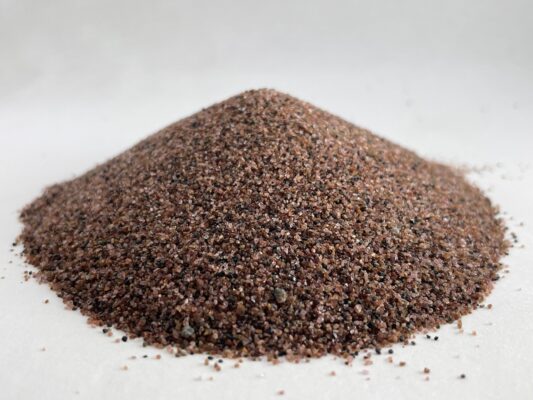
- GMA Waterjet Garnet
Multiple mesh sizes for different priorities—coarser grades for speed, 80 mesh as a common balance of speed and edge quality, and finer grades for tighter, more detailed cutting. Packaging ranges from bags to bulk formats for higher-volume operations. - GMA Waterjet Brick (GMA TUFF-BRICK)
This is a consumable that affects stability under the cut. A long-lasting waterjet brick that drains water easily (reducing splashback), provides an even flat cutting surface, and is offered in two sizes (4″ x 6″ x 24″ and 4″ x 6″ x 48″). - Accustream Waterjet Parts
We partner with Accustream to supply consumables for major OEM ecosystems (including Jet Edge, KMT, Flow, WSI, and BFT) and stock genuine OEM parts for OMAX. It’s a practical path for keeping waterjet cut parts consistent when your system is only as good as the condition of its wear items.
Quick Checklist For Better Consistency On the Table
If your waterjet cut parts are drifting—more taper, rougher edges, or more stops/starts—run through this short list:
- Is your garnet grade and mesh matched to your edge-quality vs speed goals?
- Are you seeing abrasive flow interruptions that point to fines, bridging, or clogs?
- Are focusing tubes/orifices and seals on a predictable replacement schedule?
- Is your cutting surface stable and draining properly to reduce splashback?
Keeping Quality Repeatable Without Overcomplicating It
The best shops treat waterjet cut parts like a repeatable output, not a daily mystery. Consistency usually comes from doing a few basics really well: keep abrasive flow steady, refresh wear parts before they become a bottleneck, and maintain a stable table setup so the cut environment stays predictable. When those fundamentals are dialed in, waterjet cutting becomes easier to schedule with confidence—cleaner runs, fewer interruptions, and more consistent results from shift to shift.
If you want to take it one step further, build a simple routine: track when you last changed key consumables (like focusing tubes, orifices, seals), log any abrasive feed issues, and note which garnet/mesh settings produced the best edge for each common material. That small amount of consistency on the input side is often what improves consistency on the waterjet cut parts output side.