 UniWest
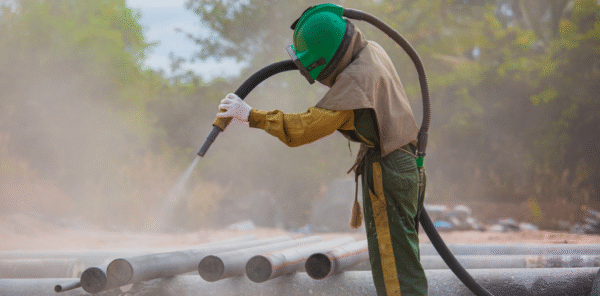
 What is sandblasting? Sandblasting, also known as abrasive blasting, is a surface preparation process that uses compressed air or another delivery method to propel abrasive media against a surface. The goal is usually to clean, strip, texture, smooth, or prepare a material for the next step. In industrial settings, sandblasting is often used before painting, coating, powder coating, repair, restoration, or fabrication.
Although the word “sandblasting” is still commonly used, many modern blasting jobs do not use traditional sand. Different abrasives are selected based on the surface material, coating thickness, desired profile, dust concerns, and finish requirements. That is why media choice is one of the most important parts of the process.
What Is Sandblasting Used For
It is used across many industries because it can remove unwanted material and create a more workable surface. When people ask “what is sandblasting used for?“, the answer usually comes down to surface preparation. Depending on the media and equipment being used, it can be aggressive enough for rust and coating removal or controlled enough for detailed finishing.
Common uses include:
- Removing rust, mill scale, paint, and old coatings
- Preparing metal for paint, primer, or protective coatings
- Cleaning fabricated parts, castings, tools, and equipment
- Creating a surface profile so coatings can bond properly
- Etching, smoothing, or finishing glass, metal, stone, or other materials
- Supporting restoration work on automotive, machinery, or structural components
The key is matching the blasting process to the end goal. A surface being prepared for an industrial coating may need a different abrasive than a delicate part being cleaned or finished.
Why Blasting Media Matters
If you are asking, “what is sandblasting,” it is also important to understand that the abrasive does much of the work. The media’s hardness, shape, size, and breakdown rate all affect how it performs. Some media cut aggressively. Some leave a smoother finish. Some are selected for reuse, while others are chosen for one-time applications.
Our blasting media category reflects this variety, with options for heavy-duty removal, precision work, industrial cleaning, and restoration. Their selection includes blasting garnet, brown aluminum oxide, coal slag, crushed glass, glass bead, steel shot and grit, walnut, corn cob, plastic, sodium bicarbonate, silicon carbide, and white aluminum oxide.
This range matters because there is no single best blasting media for every job. The right choice depends on what you are removing, what surface you are working on, and what result you need.
Choosing the Right Media for the Job
Before selecting blasting media, it helps to ask a few practical questions:
- What is sandblasting media? Blasting media is the abrasive material used to clean, strip, texture, or prepare a surface during the sandblasting process.
- What material are you blasting? Steel, aluminum, glass, stone, wood, and composites all respond differently.
- What are you removing? Rust, paint, scale, grease, and old coatings may require different media.
- What finish do you need? Some jobs need a rough profile for coating adhesion, while others need a smoother appearance.
- How aggressive should the media be? A harder abrasive can cut faster, but it may be too harsh for certain surfaces.
- Is dust, cleanup, or reclaiming a concern? Some operations need media that supports cleaner handling or repeated use.
For example, steel grit can be useful when a textured surface is needed to help coatings bond, while glass bead may be a better fit when a smoother finish is the goal. Brown aluminum oxide is a tough abrasive option that can support cleaning, deburring, and preparation across many materials. Softer options like walnut, corn cob, plastic, or sodium bicarbonate may be considered when surface impact needs to be more controlled.
Better Surface Prep Starts With the Right Match
For shops comparing media options, UniWest’s blasting media selection is a useful reference because it shows how many choices exist beyond one general “sandblasting” product. When the abrasive is matched to the surface and the goal, sandblasting becomes a more predictable process with better results and fewer surprises.