 UniWest
 If you run a blast room, you already know the “mess” isn’t just on the floor. Fine abrasive and coating dust can hang in the air, clouding visibility and adding cleanup and compliance pressure. A blast room dust collector is the ventilation system designed to pull that airborne dust out of the room so blasting stays productive and controlled.
What Does It Do?
A blast room dust collector moves air on purpose. A fan creates negative pressure in the blast room and draws dusty air through ducting into a collector housing. Filters capture particulates, and the cleaned air is discharged (or recirculated, depending on the system and your requirements). Done right, this reduces dust in the operator’s breathing zone and keeps buildup off lights, windows, and workpieces.
A properly sized blast room dust collector also helps the workflow: clearer sightlines and less time spent sweeping fine powder after every shift.
Airflow Is Half The Battle
People often ask about filter type first, but airflow is what makes dust control feel “real.” You can have great filters and still have a hazy room if you are not moving enough air in the right pattern.
Good airflow should:
- Pull contaminants away from the operator’s line of sight
- Keep a steady sweep across the room (not dead zones)
- Maintain slight negative pressure so nothing leaks out at doors and seams
That is why many facilities treat a blast room dust collector as a visibility tool as much as an air-cleaning tool.
Filtration You’ll See In Industrial Blast Setups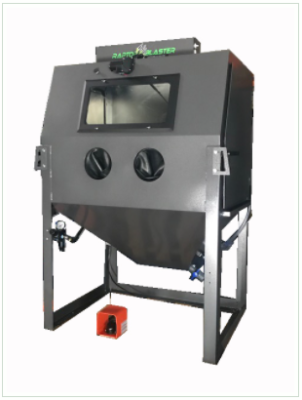
Blast environments are hard on filters, so industrial systems commonly use cartridge or bag-style filtration with automatic cleaning. Reverse-pulse cartridge systems are popular because they can knock dust off the filter media while the unit is running.
UniWest stocks dust and debris collection equipment, including modular reverse-pulse style collectors used to ventilate many sizes of industrial blast facilities. In cabinet and room systems, higher-efficiency cartridge options can also help capture very fine particles to keep the air clearer during longer blasting cycles.
Why Dust Control Supports Safer Operations
Better control reduces how much particulate remains suspended and how much migrates into adjacent work areas. That supports exposure-control and housekeeping goals and helps keep the space cleaner between jobs.
A blast room dust collector also protects equipment: less dust on lights and view windows, fewer clogged vents, and less abrasive tracked into bearings, forklifts, and electrical enclosures.
Choosing The Right Unit For Your Room
There is no one collector that fits every shop. The best fit comes from matching the system to your room size, blasting method, and recovery approach.
When you are evaluating a blast room dust collector, focus on:
- Room volume and openings (doors, pass-throughs, access points)
- Airflow needs (CFM) plus duct layout and static-pressure losses
- Media type and reclaim/recovery plans
- Duty cycle (intermittent work vs production blasting)
- Maintenance access (filter changes, dust bin cleanout, pulse components)
Our product mix supports complete blast room workflows with enclosures, dust/debris collection, and recovery systems that can be configured together.
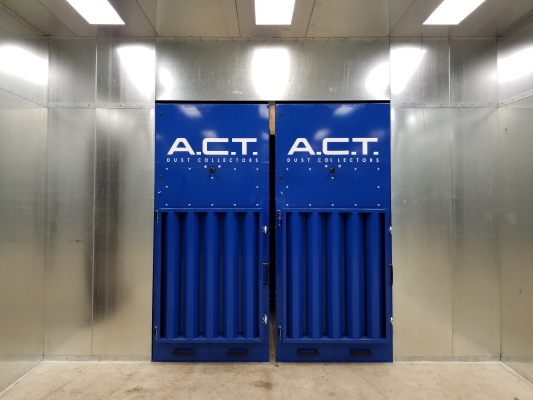 industrial use, including blasting.
Keeping Your Blast Room Running Clear
A blast room dust collector only delivers consistent visibility and control when it’s maintained like the rest of your blasting system. Keep an eye on differential pressure so you can spot restriction early, empty the dust bin before it compacts, and periodically check ducting, doors, and seals so airflow stays steady and predictable. If you’re running a reverse-pulse setup, verify the pulse-cleaning cycle is working as intended and replace filters before they become a bottleneck.
When the room starts looking hazy, cleanup time creeps up, or debris shows up where it shouldn’t, it’s usually a signal that airflow, filtration, or leakage needs attention in your blast room dust collector. A quick check and minor adjustments can often restore performance and keep production moving. And if you need help matching filters, troubleshooting airflow issues, or understanding how collector components fit into your broader blasting setup, UniWest is a solid resource—especially if you’re already sourcing blast room equipment and consumables through them.